සුදර්ශන සමරවීර:
කියවීම සහ ලිවීමම සිය දෛනික ජීවිතයේ ප්රමුඛ ආරම්මණය කරගත් මනුස්සයෙකුට වුණත් ලිවීමේ ආවේශය ගල්ගැසුණු – හිරිවැටුණු නිමේෂ-කාලපරාස එන්න පුළුවන්. අත පිරෙන්න කාලය සහ හිත පිරෙන්න ලියන සැලසුම් කොයිතරම් තිබුණත් ඒවා ලියන්නැයි ඇතුළු හිත කොයිතරම් නම් බල කළත් තෝන්තුවාවෙන් මෙන් ගෙවෙන නොලිවීම පමණක්ම සුව සදන මොහොතවල් එනව. අදහස් ගඟ නොගලන ගල්-මුල් ආවාට අතර සිරවෙන ඉතා දිගු දිවා රැයවල් ගෙවී යනව.
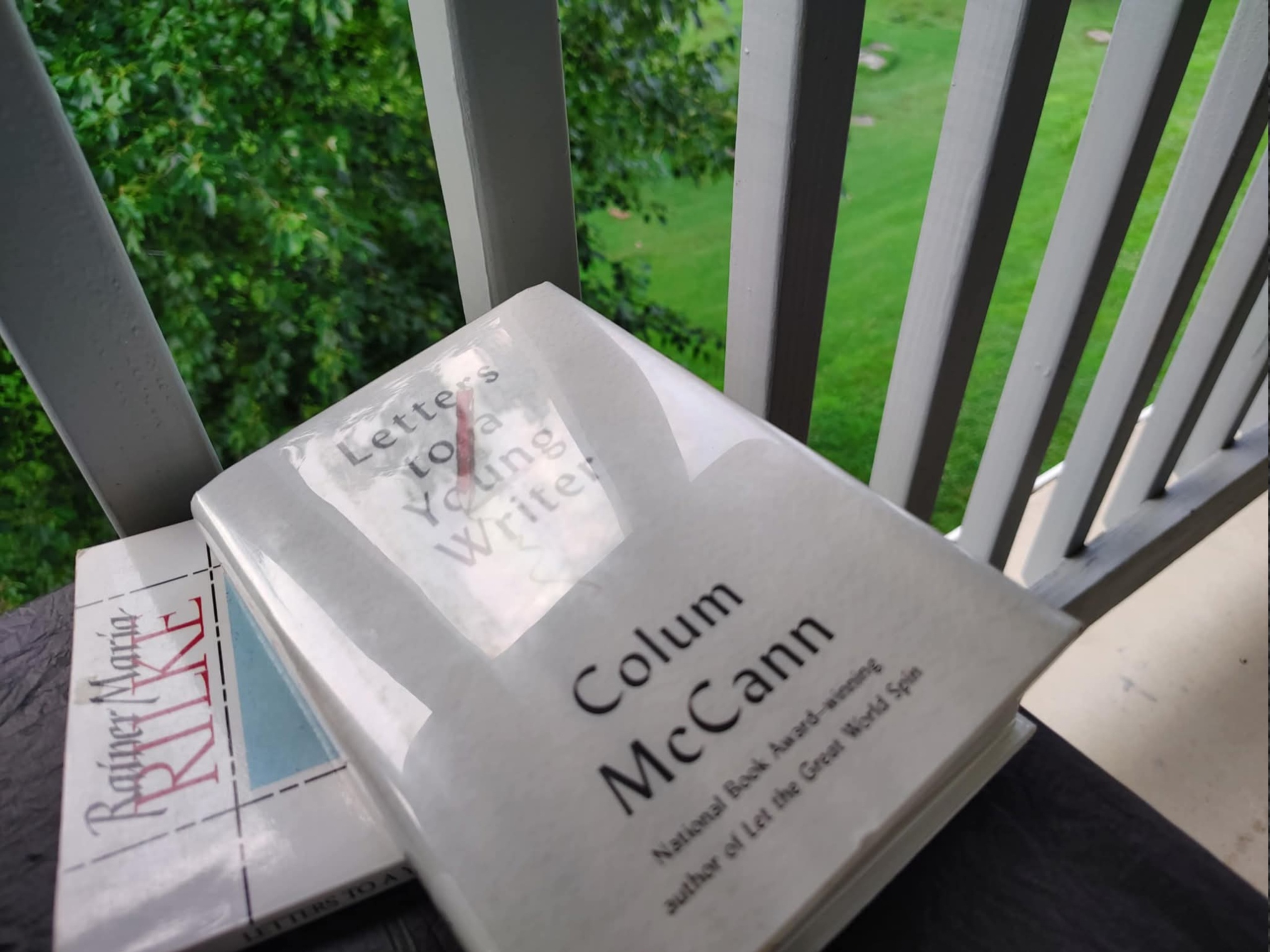
එක අතකින් මේ යුගයෙ -ලේඛකයා- පිළිබද සම්භාව්ය රාමු බිඳීගිහින් තියෙන නිසාත් ලිවීම සහ කියවීම සමාජ මාධ්ය තුළ අහස්ගත වීම නිසාත් අපි හැමෝම මොන මොන ජාතියේ හරි ලේඛකයෝ තමයි කියන්නත් පුළුවන්නෙ. අපි එක එක විධිවලින් අපේ කතාව ලියමින් ඉන්නවා. ඒ නිසා මේ වගේ පොතක් අපි කවුරුත් කියවලා බලන එක හොඳයි. විශේෂයෙන්ම කිසිවක් නොලියවෙන පුංචි පුංචි කාලපදාස මත ජීවිතය පාවෙන වෙලාවල මෙවැනි පොතක් කියවන්නට මනස යොදවන්න උත්සාහ කරනව මම නම්. මේ Letters to a Young Writer පොත අහම්බෙන් දැක්කෙ දවස් ගණන් විවිධ දේ ලියන්නට විවිධ විධි අත්හදා බලමින් ඔහේ ඇවිදින අතර දවසක, ඇතෑන්ස් මහජන පුස්තකාලෙදි. සැණින් ඉන් හමන රිල්කේමය සුවඳ නිසා පොත ගෙදර ගේන්න දෙවරක් කල්පනා කළේ නෑ. මාලිනී ගෝවින්නගේ -කිවිඳ හදට එබී බලන්- කියා සිංහලට නැගූ රයිනර් මරිය රිල්කගෙ Letters to a Young Poet පොත අපි කාටත් මතකයි. Letters to a Young Novelist, Letters to a Young Journalist විදියට ඒ ආරේ තවත් පොත් කිහිපයක්ම පළ වූ බවත් අපි දකිනව.
මේ -තරුණ ලේඛකයෙකු වෙත- පොත නිර්මාණාත්මක ලේඛකයන්ට ආමන්ත්රණය කරන්නක් සේ ලියැවී ඇතත් ලියන කොයි කාටත් අනුබල දෙන පොතක්. හවස ඉර බහින වෙලාවක තේ කෝප්පයක් හදාගෙන අහස පෙනෙන ඉසව්වක ඉඳගෙන පොත කියවීම ලිවීම ආරම්මණය කරගත් මිනිසෙකුට මිහිරි භාවනාවක්. මේ ලේඛකයෙක්ට පිරිනමන උපදෙස් සංග්රහයකට වඩා ඇයට/ඔහුට තමා සමගම සමාගමයක් ඇති කරන මනා සංවාදයක්. ඉතාම කෙටි වැකි සහ සුගම ශෛලියකින් ලියා ඇති මේ පොත ඉතාම පහසුවෙන් කියවන්න පුළුවන් එකක්. තරුණ ලේඛකයෙකු වෙත ලියා ඇති මෙහි අමුණන ලියුම් කොටස් ඉංග්රීසියෙන් තැබීම ගැන සමාවෙන්න. ලිවීමට පමණක් නෙමෙයි ඉංග්රීසියෙන් කියවන්නත් ඉතාම ආධුනික කෙනෙක්ටත් වැටහෙනසුළු සරල ඉංග්රීසියක් මෙහි එන්නෙ. ඒ වගේම මේ යුගයේ විවිධ වර්ගයේ මිශ්ර-භාෂා රචනා පළවන නිසා මෙය කියවීම අපහසුවෙන එකක් නැහැ.
කලම් මැකෑන් පොතේ පෙරවදන පටන්ගන්නෙම රයිනර් මරිය රිල්කෙව සිහි කරමින්.

To a young writer,
“Nobody can advice you and help you, nobody,” said Rilke in Letters to a Young Poet over a century ago. “There is only one way. Go into yourself.”
“This most of all; Ask yourself in the most silent hour of night: Must I write?” (pp. xiii-xiv)
I live my life in widening circles that reach out across the world.
-Rilke
රිල්කෙව උපුටමින් තරුණ ලේකකයෙකු වෙත ලියන පළමු ලිපිය මැකෑන් පටන්ගන්නෙ මෙහෙම.
Do the things that do not compute. Be earnest. be devoted. Be subversive of ease. read aloud. Risk yourself. Do not be afraid of sentiment even when others call it sentimentality. Be ready to get ripped to pieces: it happens. Permit yourself anger. Fail. Take pause. Accept rejections. Be vivified by collapse. Practice resuscitation. Have wonder. Bear your portion of the world. Find a reader you trust, They must trust you back. Be a student, not a teacher, even when you teach. Don’t B.S. yourself. If you believe the good reviews, you must believe the bad. Still, don’t hammer yourself down. Do not allow your heart to harden. Face it, the cynics have better one-linersthanwe do. Take heart: they can never finish their stories. Enjoy difficulty. Embrace mystery.
Find the universal in the local. Put your faith in language- character will follow and plot, too, will eventually emerge. Push yourself further.
Do not tread water. It is possible to survive that way, but impossible to write. Never be satisfied. Transcend the personal. Have trust in the staying power of what is good.
We get our voice from the voices of others. Read promiscuously. Imitate, copy, but become your own voice. Write about that which you want to know. The best work comes outside of yourself.
Only then will it reach within. Be bold in the face of the blank sheet. Restore what has been ridiculed by others. Write beyond despair. Make justice from reality.
Sing. Make vision from the dark. The considered grief is so much better than the considered. Be suspicious of that which gives toomuch consolation. Hope and belief and faith will fail you often, but so what? share your rage. Resist. Denounce. Have stamina.
Have courage. Have perseverance. Trust your blue pencil, but don’t forget the red one…
මැකනන්ගෙ මේ දිරිගන්වනසුළු කෘතිය පුරා ලෝ-ප්රකට ලේඛකයන්ගෙ විවිධ උද්ධෘත සමග “ලිවීම-කියවීම” ගැන එන විදර්ශනා ඉතා උද්යෝගිමත් ඒවා. විවිධ උපමාතෘකා යටතේ ලියුම් කාණ්ඩ කරල තියෙනව එකිනෙක. මේ No Rust on Your Sentences Please නම් කෙටි පරිච්ඡේදය පටන්ගන්නෙ ජේම්ස් ජොයිස් උපුටමින්.
“I have been working hard on Ulysses all day,” said Joyce. “Does that mean you have written a great deal?” I said. “Two sentences,” said Joyce. “You’ve been seeking the most juste?’ “No,” said Joyce, “I have the words already. What I am seeking is the perfect order of the words in the sentence.”
-James Joyce with Frank Budgen
You should write your work as if you are sending it to your reader one careful sentence at a time. Prose should be as well writtem as poetry. every word matters. You must test for the rhythm and precision.
Look for assonance, alliteration, rhyme. Look for internal echoes. Vary your moves. It’s as close as you’ll get to dancing. Listen to it create itself.. (pp. 70-71)
මැකෑන් ඇමෙරිකානු ප්රබන්ධ කතා රචකයෙක් මෙන්ම දිගු කාලයක් තිස්සෙ නිර්මාණාත්මක ලේඛනය ඉගැන්වීමෙහි යෙදෙන ආචාර්යවරයෙක්. අපේ රටට සාපේක්ෂව මෙවැනි රටවල නිර්මාණාත්මක ලේඛනය පිළිබඳ මෙවැනි පොත් සුලබයි. ඒ හා සම්බන්ධ බොහෝ විශ්වවිද්යාල පාඨමාලා තියෙනව. මම ඉගෙනගන්න විශ්වවිද්යාලෙත් නිර්මාණාත්මක රචනය පිළිබඳ ආචාර්ය උපාධි හදාරන ශිෂ්යයෝ ඉන්නවා. ඒ අර්ථයෙන් අපේ නිර්මාණකරුවන්- ලේඛකයන් බෝ වණෙ තරම් මෙවැනි පොත පත හෝ නිර්මාණ රචනය පිළිබඳ පුහුණු සංස්කෘතියක් අපට නෑ. මේවා, හුදු ලිවීම පිළිබඳ තාක්ෂණික දේවල් පුහුණු කරවන කෘතිවලට වඩා ලේඛකයන්ගේ ධෛර්යය වඩවන – ලේඛක ජීවගුණය පවත්වාගන්නට ආනුභාවය සපයන එක්තරා ලේඛකානුරාගී රචනා විශේෂයක් කියන්න පුළුවන්. මම මෙවැනි කෘති කියවීමට රුචි කෙනෙක්.

The Habit of Hoping
Finding beauty in a broken world is creating beauty in the world we find.
-Terry Tempest Williams
Find your life- beyond your writing life- worth living. Be in habit of hoping. Allow yourself a little joy, even in the face of the world’s available evidence. in fact, try to create the evidence just about anywhere you can. (p. 73)
There are No Literary Olympics
If the novel is successful, it must necessarily be wiser than its author.
-Milan Kundera
You don’t write in competition with anyone. There are no Olympics in literature. No gold medal, no silver, no bronze, even if the literary awards suggest that there might be.
You will soon find out that the world best is not part of the true endgame vocabulary, though the world better can be accommodated. What you want to do is to write better: it’s as simple as that. (p. 74)
Fail, Fail, Fail
No matter. Try again. Fail again. Fail better.
-Samuel Beckett
Beckett said it best, and it deserves repetition over and over again: “No matter. Try again. Fail again. Fail better.” (p. 87)
Read, Read, Read
… So here it is, before I forget again. A young writer must read. She must read and read and read. Adventurously. promiscuously. Unfailingly. It sounds so simple. Yet it is not. Not even the simplification of it. She must read everything that comes her way. The classics, the old books that speak to her from the shelves, the tomes recommended by teachers, the chapbooks left on the subway seats, the old dog-eared novels in the railway station, the ancient hardcover in the holiday cottage. read, read, read. The brain is an agile canister. Your mind can contain so much. The more difficult the book, the better. The greater the agility of your reading, the greater the elasticity of your own work.
Challenge yourself. get out of the comfort zone. Find something that confounds others. The great joy in difficulty is, in fact, its difficulty. (p. 89-91)
Wring is Entertainment
Never forget that art is entertainment. It is your duty to reflect the world, yes, but it’s also your duty to bring a bit of brightness it too.
Hang a Nietzsche quote up on your wall: We have art, he says, so we shall not die of too much reality.
Go down to the dark places, but bring a flaming torch. We have to light enough to see the page. make it colorful. Make it funny. Don’t remain stuck on one note. Shake it up.
We have to keep ourselves open to all possibilities. Be interested in any available joy. The best writing makes us sit up and take notice and it makes us glad that we are- however briefly- alive. (p. 96-97)
Take a Break
Anything can happen, the tallest towers be overturned, those in high places daunted.
-Seamus Heaney
Every now and then, take a break. Go on holiday. leave everything but the notebook behind. Learn how to like writing again. Miss it for a week or so.
Don’t fret. Guess what: that blank page isn’t going anywhere. (p. 98)
If you’re done, you’ve only just begun
Just because you’ve typed the last sentence- remember, bloodstains are far more visible than tears- doesn’t mean that you’ve actually finished a book. A book might take a few years to write, but even after it’s written it still has to be finished. Patience and
tenacity, please. Patience, I said patience. Patience. Writing is about seventy-five percent of the job. There’s the editing. And then there’s te editing. Oh, and then there’s the editing. And, after that,
there’s the editing again. After that there’s the copyediting. then there’s the publicity meeting. And then there’s the marketing meeting. Then there’s some more editing. Then there’s the request for blurbs. Then there’s a proof copy. Then there’s the final editing. A tweak here, a tweak there. Then there’s the wait. The pause. The hold. The catch of breath. The wish that you had edited more… (pp. 118-119)
When a reader falls in love with a book, it leaves its essence inside him, like radioactive fallout in a arable field,
and after that there are certain crops that will no longer grow in him, while other, stranger, more fantastic growths may occasionally be produced.
– Salman Rushdie
නිර්මාණාත්මක ලේඛන භාවිතයක පැනෙන බොහෝ දේ පිළිබඳ උපදෙස් මාලාවක් මෙන් රචනා වී තිබුණත් මෙහි ශෛලිය කතන්දරකාර ස්වභාවයකින් යුතු නිසා නවකතාවක් කියවනව වගේ රසවත් කියවීමක්. මේ, මේ විෂය ගැන ලියැවුණු හොඳම කෘති අතරින් එකක් නෙමෙයි වෙන්න පුළුවන්. විශේෂයෙන්ම ලේඛනය පිළිබඳ වඩාත් න්යායික සහ ශාස්ත්රීය මට්ටමේ කෘති බොහොමයක් තියෙනව. කොහොමවුණත් මේ වගේ කෘතියක් කියවීම තරුණ ලේඛකයෙක්ගෙ දෛනිකත්වය තුළ, “ලිවීම” නමැති අභ්යාසය පවත්වාගැනීමට ආනුභාව සපයනව. මැකෑන් කියන ලෙස නම් කෙනෙක්ට වයස අවුරුදු දාසයේදී හෝ දහ අටේදී මෙන්ම විසි පහේදීත් තිහ පැන්නට පස්සෙත් හතළිය පනහ නෙමෙයි අවුරුදු හැටේදිත් තරුණ ලේඛකයෙක් වෙන්න පුළුවන්. ඔව්. ලිවීම අරභයා තරුණකම යනු මනුෂ්ය ආයුකාලයට වෙනස් ප්රපංචයක් තමයි. කොහොමවුණත් මීට අවුරුදු පහහයකට ඉස්සර අපි ඉගැන්වූ සමහර ශිෂ්යශිෂ්යයාවොත් දැන් යම් යම් නිර්මාණාත්මක දේ සහ විචාරාත්මක
දේ පළ කරනවා දකින විට අපි ඒ තරම් තරුණ ලේඛකයන්ද නොවෙන බව හැඟෙනව. ඒ කොහොමවුණත් ඒ කාටත් ලිවීම නමැති මිනිස් කාර්යයෙහි වගකීම ඒත්තු ගන්නටත් ලිවීම විෂයෙහි අනුරාගය වඩන්නටත් මෙවැනි කෘති අත් පොත් බඳුයි.
ඉංග්රීසියෙන් කියවන්න පටන්ගෙන ඇති ආධුනික ලේඛකයන්ටත් මෙවැනි පහසුවෙන් කියවිය හැකි ඉංග්රීසි කෘති කියවීම හැම අතින්ම සිය ලේඛක දිවිය පොහොසත් කරන්නක්. ලංකාවෙ මෙවැනි පොතපත සුලබ නොවුණට මේ -ස්මාර්ට්- යුගයේ මෙවැනි පොතක් බාගන්නෙක නම් එච්චර අමාරු නෑ.
Be what a diamond is to glass. Scrap your way across. Transform what has been seen. Imagine the immensities of experience. Oppose the cruelties. Break the silence. Be prepared to risk yourself. Find radiance. Ready yourself for scorn. Embrace difficulty. Work hard. Face it, you’re not going to write a masterpiece before breakfast. Your song will exact a price. Be prepared to pay. Write, young writer, write. Claim your proper future. find the language… (p. 162)

සුදර්ශන සමරවීර-Sudarsana Samaraweera